
Barriers and opportunities for future resource recirculation of treated wastewater at Bornholm, Denmark
On March 20, 2025, the Department of Innovation at Bornholm Energy & Utility (BEOF) organized a special day on site to address current barriers and explore future opportunities for wastewater recirculation.
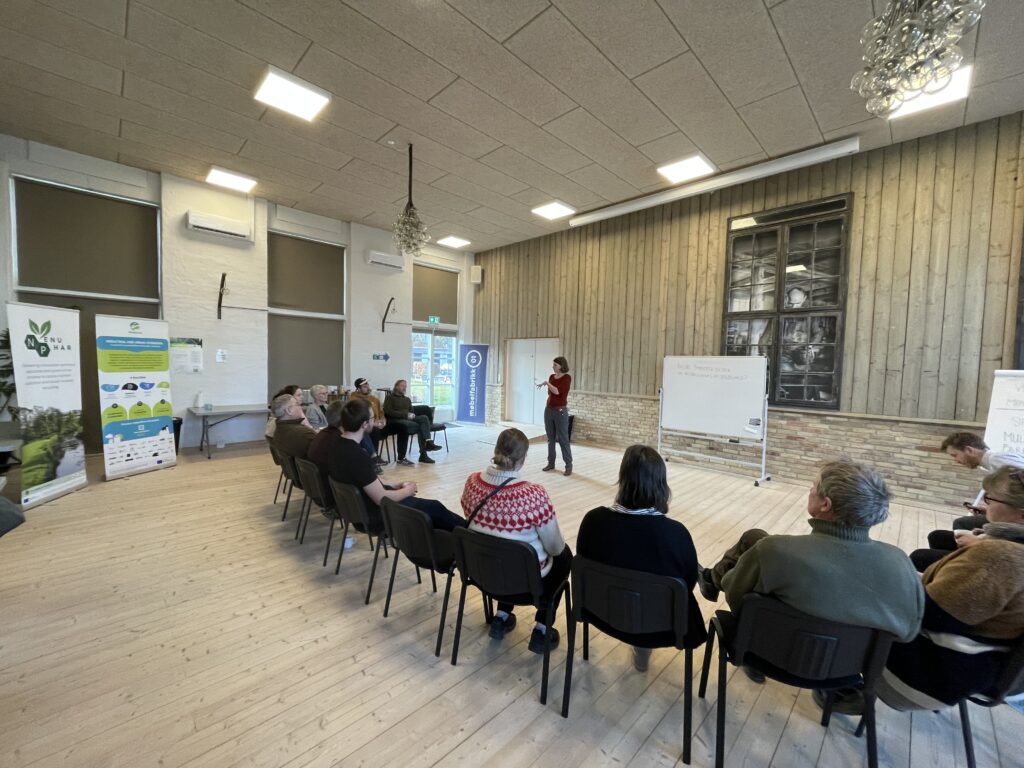
The event focused on the recirculation of phosphorus, nitrogen, and water from treated wastewater and brought together a diverse group of stakeholders including municipal officials, local farmers, an agricultural consultant, and representatives from BEOF.
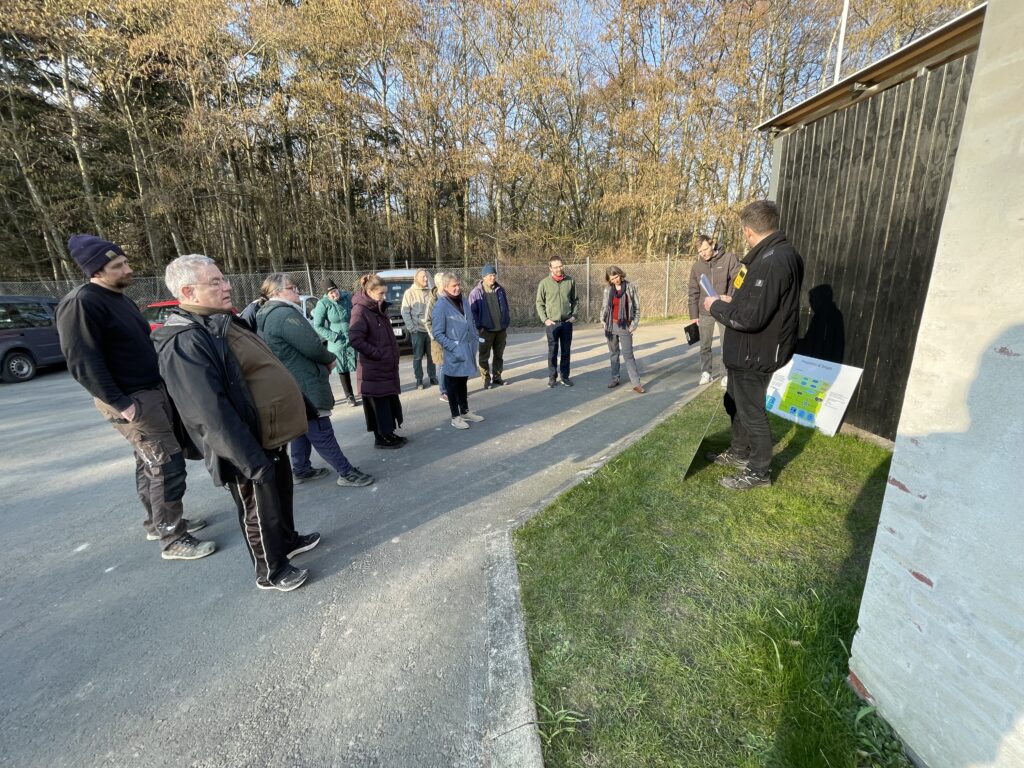
Site Visit to Svaneke Wastewater Treatment Plant
The day began with a comprehensive tour of the Svaneke Wastewater Treatment Plant. Participants were introduced to the current wastewater treatment processes. The tour highlighted the stringent requirements that must be met today and provided an overview of future EU wastewater reuse regulation (741/2020).
The SYMSITES project was also discussed, and its future perspectives and objectives were presented.
Workshop at Møbelfabrikken
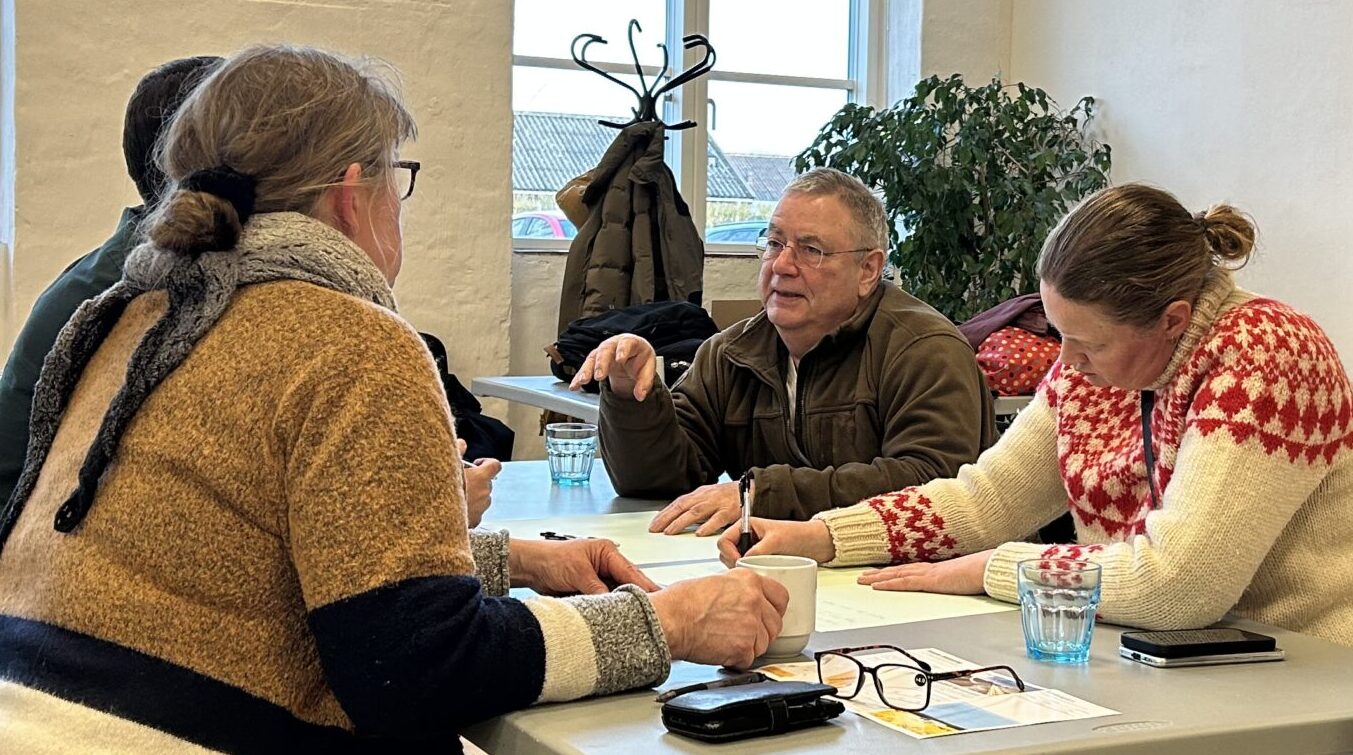
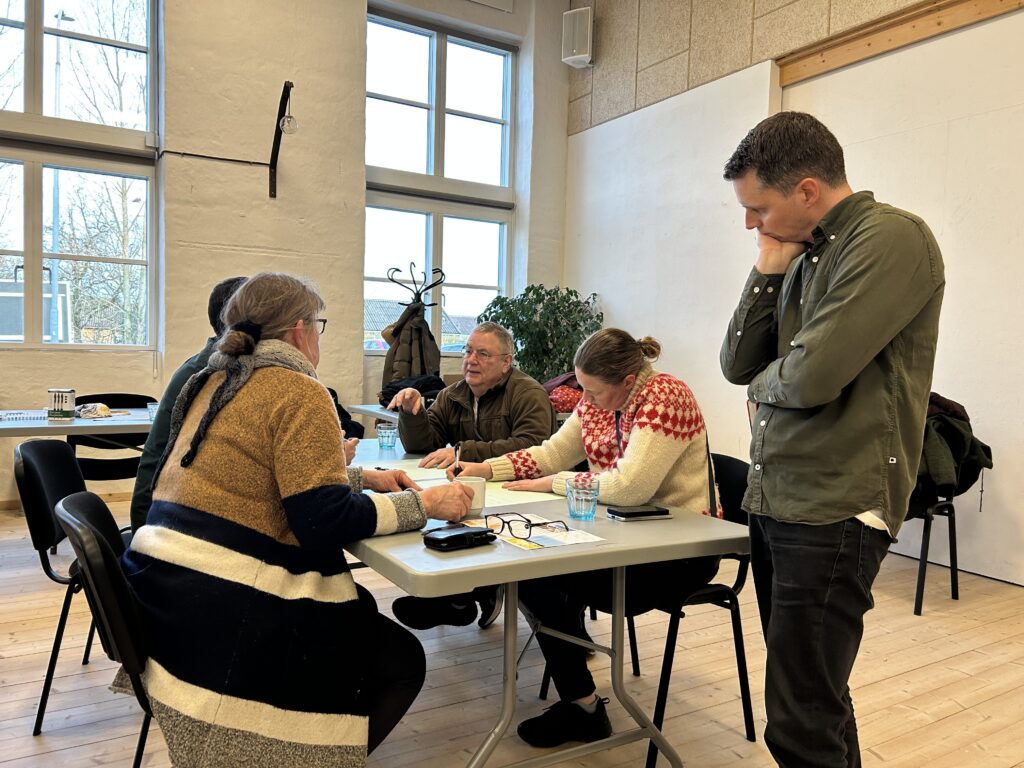
Following the site visit, the group convened at the local conference venue, Møbelfabrikken, for an in-depth workshop. The workshop was structured around three key topics:
1. Current Barriers to Wastewater Recirculation: Participants identified several obstacles, including regulatory challenges, technological limitations, and public perception issues.
2. Future Opportunities: Discussions focused on innovative solutions and emerging technologies that could enhance wastewater recirculation over the next ten years.
3. Collaborative Action Planning: Representatives from the utility sector, municipal authorities, and the agricultural community worked together to outline the next steps for improving wastewater recirculation. Responsibilities were assigned to ensure accountability and progress.
Key Takeaways
The workshop highlighted the importance of multi-stakeholder collaboration in overcoming the barriers to wastewater recirculation. By leveraging the expertise and resources of various sectors, significant strides can be made towards sustainable water management practices.