
DTU Sustain continues its work in the Danish EcoSite
DTU Sustain, one of the Danish partners of Symsites, was busy presenting the project in many different events over the past months!
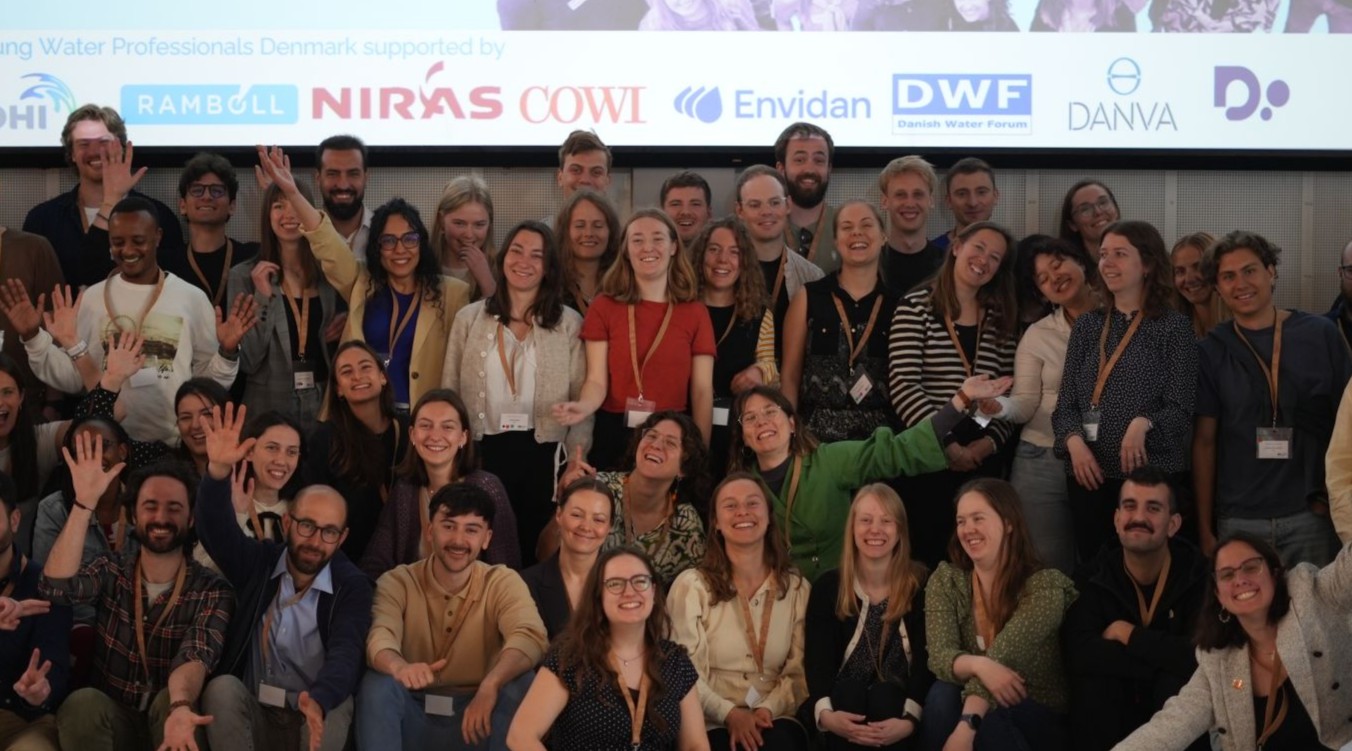
In late April they held a presentation and chaired at the 10th young water professionals Denmark (YWPDK), at DTU Skylab and NIRAS in Copenhagen. During the presentation they introduced the Danish EcoSite to young researchers and professionals in the water sector, and shared the results from the demonstration of an anaerobic membrane bioreactor for co-digestion of brewery and municipal wastewater with food waste for water, nutrient, and energy recovery in an urban-industrial symbiotic context.
Participants had the opportunity to witness the results of the demonstration, showing the potential of integrating AnMBR (anaerobic membrane bioreactor) in water treatment to better utilize and closer nutrient energy and water loops. Promoting the use of circular economic practices between urban and industrial shareholders.
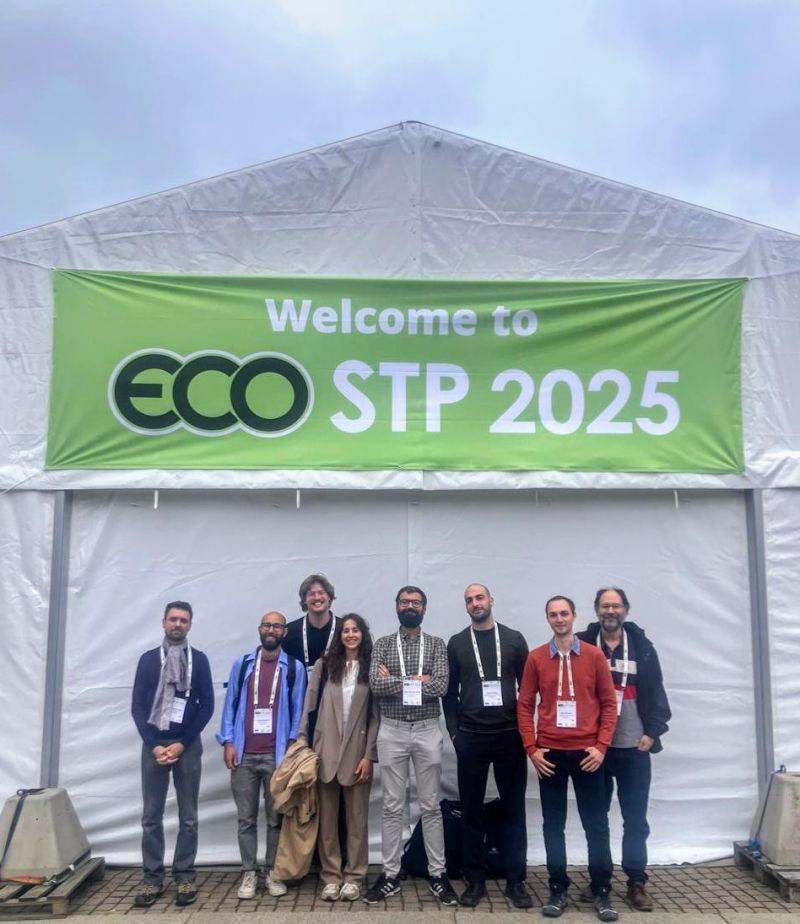
In the following weeks, DTU Sustain lead a poster presentation at the A poster presentation for the 7th IWA (International Water Association) international conference on eco-technologies for wastewater treatment in Stockholm. The conference brought together researchers from different disciplines, technology providers, consulting engineering firms, utilities, and other relevant societal actors to jointly discuss and explore the latest findings on processes, methods, and technologies for innovative solutions in wastewater treatment.
Once again the Danish EcoSite was highlighted here: they presented its use of an AnMBR for co-digesting municipal and brewery wastewater with food waste from day 0 to 230. The results were promising and raised hope for future improvements. Significant reduction in the chemical and biological oxygen demand, along with turbidity were achieved. The digestion saw an over 99.99% reduction in coliforms. The water quality of the effluent reached B level according to EU regulations and was tested for fertigation of Padrón peppers at DTU Sustain showing better performance than synthetic fertilizers.
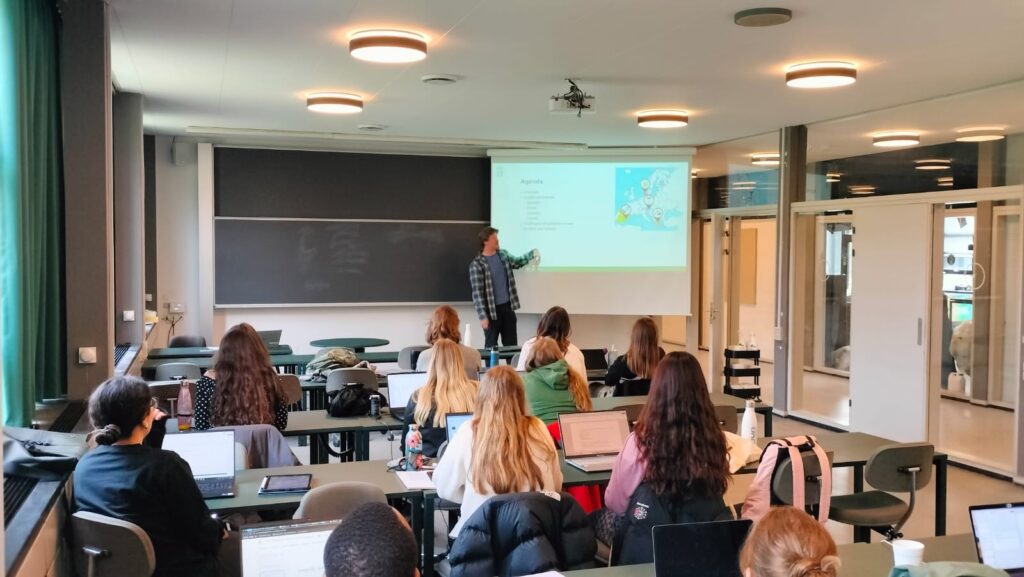
Finally, DTU Sustain capitalized its effort on the Danish EcoSite by doing a presentation at its own master’s course on wastewater treatment and valorization. The presentation focused on the challenges and benefits of co-digesting waste streams. It included defining urban industrial symbiosis as a collaborative strategy where urban systems and industries exchange materials, energy, water, and byproducts to reduce waste and boost sustainability. The focus was on the potential benefits of promoting deeper urban-industrial symbiosis and its effect on the circular economy.
A brief overview of the ecosites exemplified to the students the variability and complexity of integrating these systems effectively. Difficulties such as managing stakeholders, logistics, and regulatory compliance were discussed. A deeper look into the Danish ecosite was presented showing the different types of analysis needed to appropriately monitor these systems and weigh them against standard wastewater treatment/ valorisation practices.
We are sure that DTU Sustain experience was treasured by the students and the EcoSite will be an example for them and many more to come!