
EcoSites: Turning Waste Into New Resources Across Europe
Across Europe, cities and industries generate large amounts of waste and wastewater every day. The SYMSITES project aims to change this by creating EcoSites—innovative facilities where waste becomes an opportunity. Four EcoSites in Spain, Greece, Denmark and Austria have been operating as pilots, and partners involved in the project have shared their final feedback. The results show that EcoSites bring environmental, social and economic benefits.
Read the results in this document
Here is a brief summary of what the project partners highlighted as final feedback of project implementation activities.
Innovative technologies working in real conditions
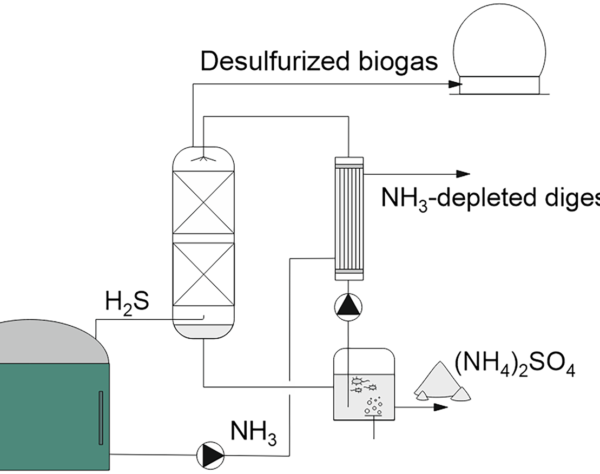
Each EcoSite combines advanced technologies to treat waste, recover valuable resources and produce new materials such as biogas, reclaimed water or bio-based products. Partners highlight the innovative nature of the solutions, good design of the facilities and strong technical expertise. Although some challenges remain, such as waste variability and the need for optimisation, the pilots are becoming increasingly robust.
Strong environmental benefits
Environmental performance is the best-rated aspect across all EcoSites. The initiative effectively reduces waste, supports recycling and contributes to the circular economy. Environmental risks are low and each EcoSite follows clear monitoring plans. The facilities are also well integrated into their natural and social surroundings.
Positive impact on communities and local economies
EcoSites can create local employment, boost competitiveness and improve the reputation of participating organisations. Communities generally accept the facilities, and regional companies show interest in participating. While stakeholder involvement can still be challenging, EcoSites strengthen collaboration between businesses, citizens and public authorities.
Economic potential with challenges ahead
EcoSites show good potential to reduce waste-management costs and improve efficiency. However, financing remains a major barrier. High initial investments and uncertainty about long-term funding remain challenges. Ensuring stable economic conditions will be essential for future deployment.
Regulation: the biggest hurdle
Current regulations in many countries are not fully adapted to circular-economy solutions, such as water reuse or producing new products from waste. Administrative procedures are lengthy, and incentives are limited. Clearer and more flexible legislation is needed to support wider adoption.
A promising model for Europe’s circular future
Despite the challenges, EcoSites demonstrate that industrial-urban symbiosis can work in real conditions. They reduce environmental impact, promote resource recovery and support local development. To replicate this model across Europe, improvements in regulation, funding and public awareness will be essential.