

Waste Management in the Meat Industry: Reducing EnvironmentalImpacts Through Innovative Technologies
The meat industry faces growing scrutiny regarding its environmental footprint. Traditional waste management practices often fall short, leading to high costs and potential environmental risks. Industrial-urban symbiosis (I-US) offers a promising alternative, providing a framework for transforming waste into valuable resources and mitigating environmental impacts.
Industrial Symbiosis: A Sustainable Approach to Waste Management
I-US fosters collaboration between different industries, creating closed-loop systems where the by-products of one industry become the raw materials for another. This approach mimics natural ecosystems, minimizing waste and maximizing resource utilization. In the meat industry, I-US offers innovative solutions to address the challenges of organic waste, wastewater, and energy consumption.
The SYMSITES project is demonstrating the feasibility and benefits of I-US in the meat sector through a real-world application at Fleischwaren Berger, a leading Austrian meat processing company.
Challenges in Meat Processing Waste Management
Meat processing generates significant amounts of organic waste, including:
1. Rumen and stomach content: Large volumes of difficult-to-dispose-of material.
2. Blood: A by-product requiring careful handling and processing.
3. Fats and grease: Can cause blockages and pollution if not managed correctly.
4. Flotation sludge: High water content leads to increased transport and disposal costs.
5. Bones: Often incinerated, requiring significant energy input.
These waste streams pose challenges related to disposal, environmental impact, and energy consumption.
SYMSITES implements innovative technologies to address these challenges:
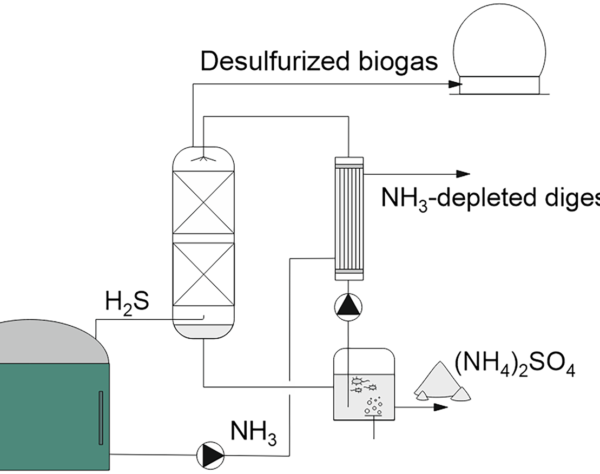
1. Anaerobic Digestion: Organic waste, including blood and flotation sludge, is converted into biogas, a renewable energy source that can power the processing plant.
2. Advanced Filtration: Wastewater is treated using ultra- and nanofiltration, producing clean water for reuse in processing and reducing freshwater consumption.
3. Fertilizer Production: The nutrient-rich digestate from biogas production is processed into high-quality fertilizer for local farms, closing the loop and minimizing waste.
By adopting I-US and the technologies implemented by SYMSITES, meat processing companies like Fleischwaren Berger can achieve:
1. Reduced Environmental Impact: Minimized waste generation, reduced pollution, lower greenhouse gas emissions, and improved water management.
2. Economic Benefits: Reduced waste disposal costs, increased energy efficiency, and potential revenue generation from by-products like fertilizer.
3. Improved Resource Efficiency: Optimized resource utilization and reduced reliance on raw materials.
4. Community Engagement: Collaboration with local stakeholders and contribution to regional development.
Industrial-urban symbiosis offers a viable pathway towards a more sustainable meat industry. By integrating innovative technologies and collaborative strategies, meat processing companies can optimize resource utilization, minimize their environmental footprint, and contribute to a circular economy.
The SYMSITES project and its implementation at Fleischwaren Berger serve as a valuable case study, providing evidence of the potential of I-US to address the environmental challenges facing the meat industry. As the demand for sustainable practices increases, I-US will play a crucial role in promoting responsible and efficient meat production.