
Waste Management in the Textile Industry: Reducing Environmental Impacts through Innovative Technologies
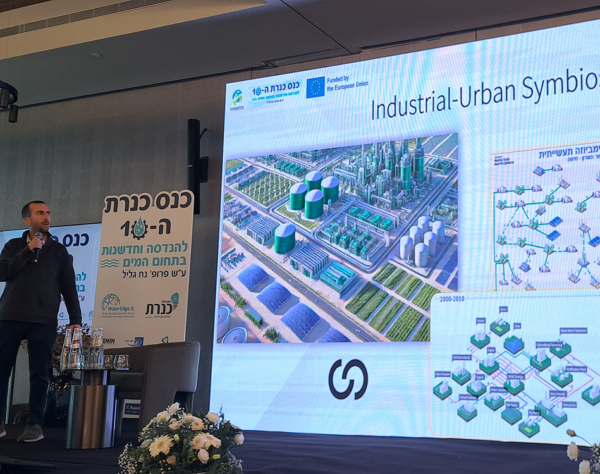
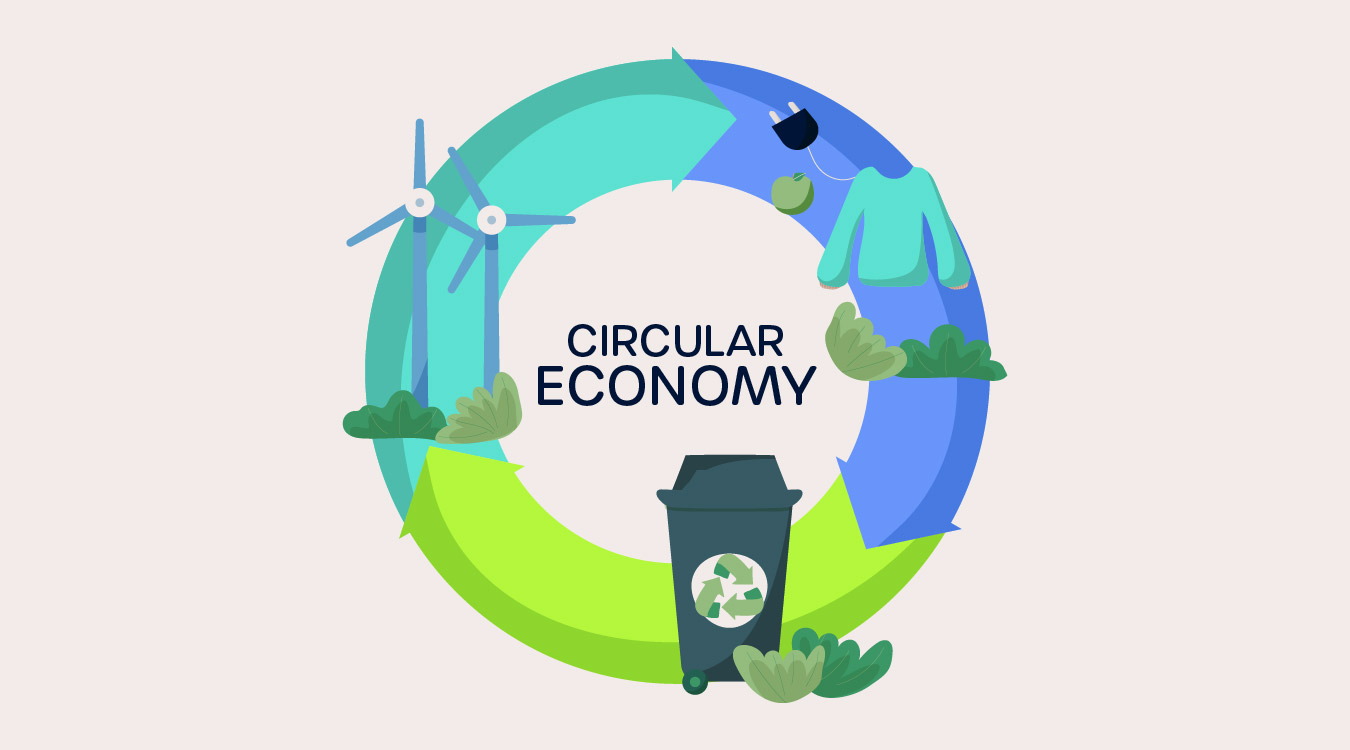
The environmental impact of the textile industry is a growing concern. Traditional production methods are responsible for substantial waste, high water and energy consumption, and the release of harmful pollutants. However, a shift towards industrial-urban symbiosis (I-US), circular economy principles, and innovative technologies is creating opportunities to minimize waste, reduce resource consumption, and promote sustainable practices.
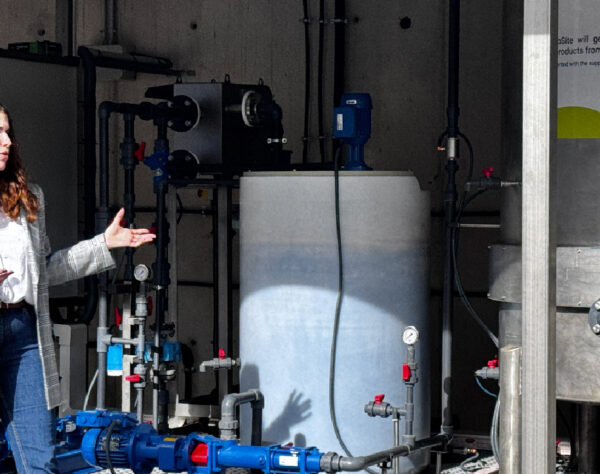
Jover Textiles, a leading Spanish textile manufacturer, is an active participant in the SYMSITES project. Their involvement highlights how I-US can be effectively integrated into textile manufacturing. Jover’s vertically integrated production process, from warping and weaving to dyeing and finishing, gives them unique control over implementing sustainable solutions at every stage. Through SYMSITES, Jover is able to share its expertise in areas like wastewater treatment and renewable energy integration, while also benefiting from the shared knowledge and resources of the network. This collaboration allows Jover to further optimize its resource utilization, explore new avenues for waste reduction, and contribute to the development of circular economy models within the textile industry.
Benefits of I-US in the Textile Industry
The adoption of I-US principles in the textile industry offers numerous benefits:
- Reduced environmental impact: Minimizing waste and pollution protects ecosystems and conserves valuable resources.
- Enhanced brand reputation: Consumers are increasingly conscious of environmental issues, and sustainable practices enhance brand image and appeal.
- Cost savings: Efficient resource utilization and waste reduction can lead to significant cost savings for businesses.
- Innovation and competitiveness: Investing in sustainable technologies and practices drives innovation and strengthens competitiveness in the global market.
Conclusion
The textile industry has a crucial role to play in building a more sustainable future. By embracing I-US principles, circular economy models, and innovative technologies, the industry can transform waste challenges into opportunities for growth and environmental stewardship. The SYMSITES project and its collaboration with companies like Jover Textiles provide valuable examples of how I-US can be implemented to promote responsible and efficient textile production.